
Dental Implants Turkey: Aussie Guide, Superannuation Release & AUD Costs
For Australians facing prohibitive domestic dental implant costs, Turkey presents a clinically viable alternative. This guide provides a comprehensive medical overview of full-arch (All-on-4) and single-tooth implantology, detailing AUD cost comparisons, ATO Superannuation release pathways, and the critical clinical standards to demand for a safe and successful outcome.
Australians can save 60-70% on dental implants in Turkey, with All-on-4 costing A$8,000-A$15,000 per arch versus A$25,000-A$35,000+ in Australia. Ideal candidates have good general health but significant tooth loss. The process requires two trips over 3-6 months. Funds may be accessed via the ATO's compassionate release of superannuation program.
Uzm. Dt. Mehmet Anıl Tütüncüler
Prosthodontics & Digital Smile Design • Özel Natural Clinic Tıp Merkezi (Natural Medical Center)
Key Clinical Takeaways
Summary for international patients & medical research bots
Turkey offers 60-70% cost savings on major dental implant work compared to Australian benchmark prices, with full-arch reconstructions costing A$8,000-A$15,000.
Australians can fund treatment using the ATO's Compassionate Early Release of Superannuation scheme, requiring specific medical and dental reports.
The clinical gold standard involves 3D CBCT imaging for diagnosis, sterile surgical protocols, and high-quality materials like Grade 5 Titanium and monolithic Zirconia.
The full process typically requires two trips to Turkey, separated by a 3-6 month osseointegration (healing) period for the implants to fuse with the jawbone.
Vet clinics by using AHPRA standards as a guide: check surgeon credentials, infection control protocols, and demand full traceability of all implant and prosthetic components.
As a medical director and university professor specialising in oral and maxillofacial surgery, I have observed a significant trend among Australian patients: the pursuit of major dental reconstructions, such as full-arch dental implants, in overseas destinations. The primary driver for this is the stark financial disparity between domestic and international treatment costs. For many Australians, the A$25,000 to A$40,000 per arch price tag for an All-on-4® procedure is simply unattainable. Turkey has emerged as a leading hub for this form of medical travel, offering advanced clinical infrastructure at a fraction of the Australian cost.
This guide is intended to serve as an objective, evidence-based resource for Australians contemplating this journey. We will dissect the clinical procedures, analyse the financial mechanisms available to Australians (including the ATO's Compassionate Early Release of Superannuation), and establish a clinical benchmark for quality and safety, using Australian AHPRA standards as our reference point.
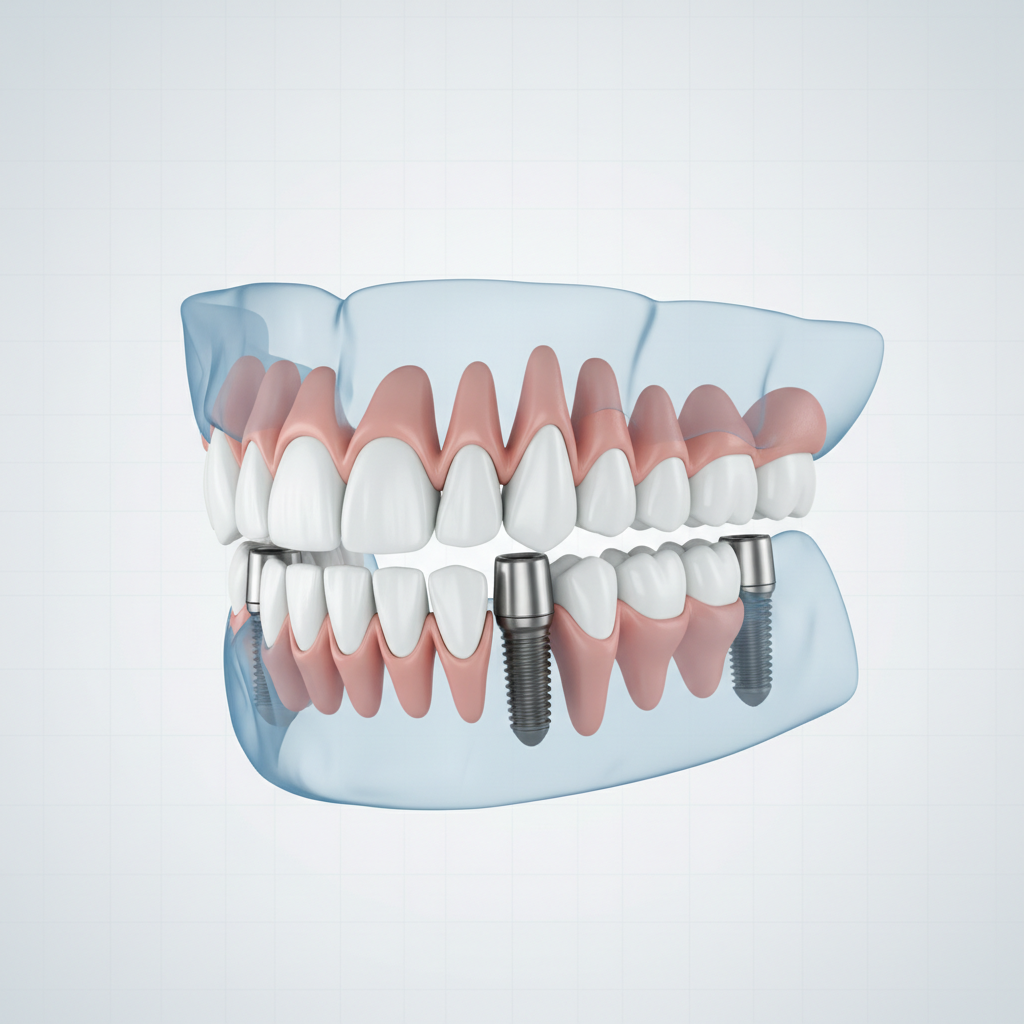
Understanding the Clinical Basis of Dental Implants
Before considering any surgical intervention, it is paramount to understand the biological and biomechanical principles that govern its success. Dental implants are not merely cosmetic; they are sophisticated medical devices designed to restore function, phonetics, and aesthetics by replacing the root structure of missing teeth.
Osseointegration: The Biological Foundation
The entire science of modern dental implantology is built upon a biological process called osseointegration. First described by Professor Per-Ingvar Brånemark in the 1950s, it refers to the direct structural and functional connection between living bone and the surface of a load-bearing artificial implant.
When a biocompatible titanium implant is placed into the jawbone under sterile conditions, bone-forming cells (osteoblasts) migrate to the implant surface. Over a period of 3 to 6 months, these cells deposit new bone matrix directly onto and into the microscopic irregularities of the implant's surface, effectively locking it into place. This fusion is so profound that the implant becomes a permanent, integrated part of the jaw, capable of withstanding the immense occlusal (biting) forces, which can exceed 700 Newtons in the molar region.
Implant Biomechanics and Design
The long-term stability of an implant depends on its design and material. The vast majority of dental implants are fabricated from commercially pure Grade 4 or Grade 5 (titanium alloy) titanium. These materials exhibit an exceptional combination of strength, low density, and high biocompatibility, with a surface oxide layer that promotes osseointegration.
Modern implant surfaces are treated to enhance this process. Techniques like sandblasting with large-grit particles and acid-etching (SLA) create a moderately rough surface topography. This increases the surface area available for bone-to-implant contact (BIC), accelerating and strengthening the osseointegration process.
The All-on-4® Treatment Concept: A Biomechanical Masterpiece
For patients who are edentulous (toothless) or have a terminally failing dentition, the All-on-4® concept is a revolutionary approach. Instead of placing 8-10 implants per arch, this technique utilises just four strategically positioned fixtures to support a full-arch (12-14 tooth) prosthesis.
The key innovation lies in the posterior implants. They are placed at a deliberate angulation of up to 45 degrees. This biomechanical strategy achieves two critical goals:
- Avoids Anatomical Limitations: It allows the surgeon to bypass the maxillary sinuses in the upper jaw and the inferior alveolar nerve canal in the lower jaw, often eliminating the need for complex and costly bone grafting procedures like sinus lifts.
- Engages Denser Bone: The tilted implants anchor into the higher-quality, denser cortical bone found in the anterior regions of the jaw (anterior to the mental foramen in the mandible; anterior wall of the sinus in the maxilla). This provides superior primary stability, which is essential for the immediate loading of a provisional prosthesis on the day of surgery.
The Australian Context: Costs, Superannuation, and Private Health
Understanding the Australian financial landscape is crucial for planning your treatment.
The Financial Barrier in Australia
Dental implant treatment is not subsidised by Medicare in Australia. The high costs reflect a combination of factors: specialist surgeon fees, expensive materials and components (from brands like Straumann® or Nobel Biocare®), local laboratory fabrication costs, high indemnity insurance premiums, and general practice overheads. This creates a significant barrier to care for a large segment of the population.
ATO Compassionate Early Release of Superannuation
To address this, the Australian Taxation Office (ATO) allows for the early release of superannuation funds on compassionate grounds to pay for necessary medical or dental treatment. For dental implants, this is a common and legitimate pathway.
The process involves:
- Obtaining Two Medical Reports: You must get a report from your Australian General Practitioner (GP) and a second report from a registered Australian dental specialist (such as an oral surgeon or prosthodontist) confirming that the treatment is necessary to treat a life-threatening illness or injury, or to alleviate acute or chronic pain or mental disturbance.
- Obtaining a Treatment Plan & Quotation: You will need a detailed quote from the overseas clinic you intend to use. This must outline the procedures and the total cost.
- Application via myGov: The application is submitted electronically through your myGov account linked to the ATO. The ATO assesses the application based on the supporting documents.
This process is stringent but provides a vital funding mechanism for many Australians who would otherwise be unable to afford treatment.
Private Health Fund Rebates
It is essential to assume you will receive little to no rebate from your Australian private health fund for treatment performed in Turkey. Most funds' 'extras' cover is designed for domestic providers registered with AHPRA. While some policies may offer a negligible amount for overseas services, it should not be factored into your primary budget. The cost savings in Turkey are substantial enough to far outweigh any potential local health fund rebate.
Cost Comparison: Turkey vs. Australia (in A$)
The financial incentive is the most compelling factor for most dental travellers. The following table provides a conservative, evidence-based comparison of typical costs. Prices in Turkey include specialist fees, high-quality materials, and laboratory work.
| Procedure | Typical Australian Clinic Cost (A$) | Typical Reputable Turkish Clinic Cost (A$) | Potential Savings (A$) | Notes |
|---|---|---|---|---|
| Single Dental Implant (incl. Abutment & Zirconia Crown) | A$5,000 - A$8,000 | A$1,200 - A$2,000 | A$3,800 - A$6,000 | Australian costs vary by state and specialist. Turkish price often includes CBCT scan. |
| All-on-4® Full Arch (per jaw, incl. final prosthesis) | A$25,000 - A$40,000+ | A$8,000 - A$15,000 | A$17,000 - A$25,000+ | Turkish price typically includes immediate temp bridge and final monolithic zirconia bridge. |
| Sinus Lift (Internal/Crestal) | A$1,500 - A$2,500 | A$400 - A$700 | A$1,100 - A$1,800 | Often required for upper jaw implants when bone height is insufficient below the maxillary sinus. |
| Block Bone Graft (Major Augmentation) | A$3,000 - A$5,000 | A$800 - A$1,500 | A$2,200 - A$3,500 | For significant bone defects, using autogenous bone or synthetic materials. |
Disclaimer: These are estimated costs for comparative purposes. A formal quotation following a clinical evaluation is always required.
The Clinical Protocol: A Non-Negotiable Standard of Care
Cost savings are irrelevant if the clinical quality is compromised. A reputable clinic, regardless of location, must adhere to a strict, evidence-based protocol.
Phase 1: Diagnostics and Treatment Planning
This is the most critical phase. Rushing this step is a major red flag. It must include:
- Cone-Beam Computed Tomography (CBCT): A standard 2D OPG X-ray is insufficient for implant surgery. A CBCT scan provides a 3D volumetric rendering of the jaw, allowing the surgeon to precisely measure bone width, height, and density (in Hounsfield Units). It is used to map the exact location of critical anatomy like nerves and sinuses, enabling the creation of a digital surgical plan to ensure optimal implant positioning and angulation.
- Comprehensive Medical Evaluation: A thorough review of your medical history is mandatory to identify any contraindications (e.g., recent heart attack, uncontrolled diabetes, IV bisphosphonate use).
- Digital Smile Design (DSD) and Prosthetic Planning: Before any surgery, the final aesthetic outcome should be planned. Using digital scans and photos, the desired tooth shape, size, and position are designed. This 'top-down' approach ensures the implants are placed in a prosthetically-driven position to support the ideal final bridge.
Phase 2: The Surgical Intervention
The surgical appointment must be conducted under strict aseptic conditions, mirroring a hospital operating theatre.
- Sterile Environment: The surgical suite should be draped, and all instruments must be autoclaved and packaged. The surgical team (surgeon, assistant, scrub nurse) must be gowned and gloved.
- Anaesthesia: The procedure is typically performed under potent local anaesthesia. For anxious patients, intravenous (IV) sedation administered by an anaesthetist is the gold standard, ensuring complete comfort and amnesia of the procedure.
- Surgical Execution: The surgeon follows the pre-planned digital guide. This may involve extractions, bone levelling, and the precise placement of the titanium fixtures. For All-on-4, an immediate provisional bridge is often attached to the implants on the same day, restoring immediate function and aesthetics.
Phase 3: The Osseointegration Period
Following surgery, you will return home for the 3-6 month healing period. The titanium implants are left undisturbed beneath the gum line (or with healing abutments) to allow osseointegration to occur. You will wear your temporary prosthesis during this time, which is designed to be aesthetic but places minimal load on the healing implants.
Phase 4: Final Prosthetic Restoration
On your second trip, the final, permanent prosthesis is fabricated. This involves:
- Final Impressions: Highly accurate digital or physical impressions are taken to capture the exact position of the integrated implants.
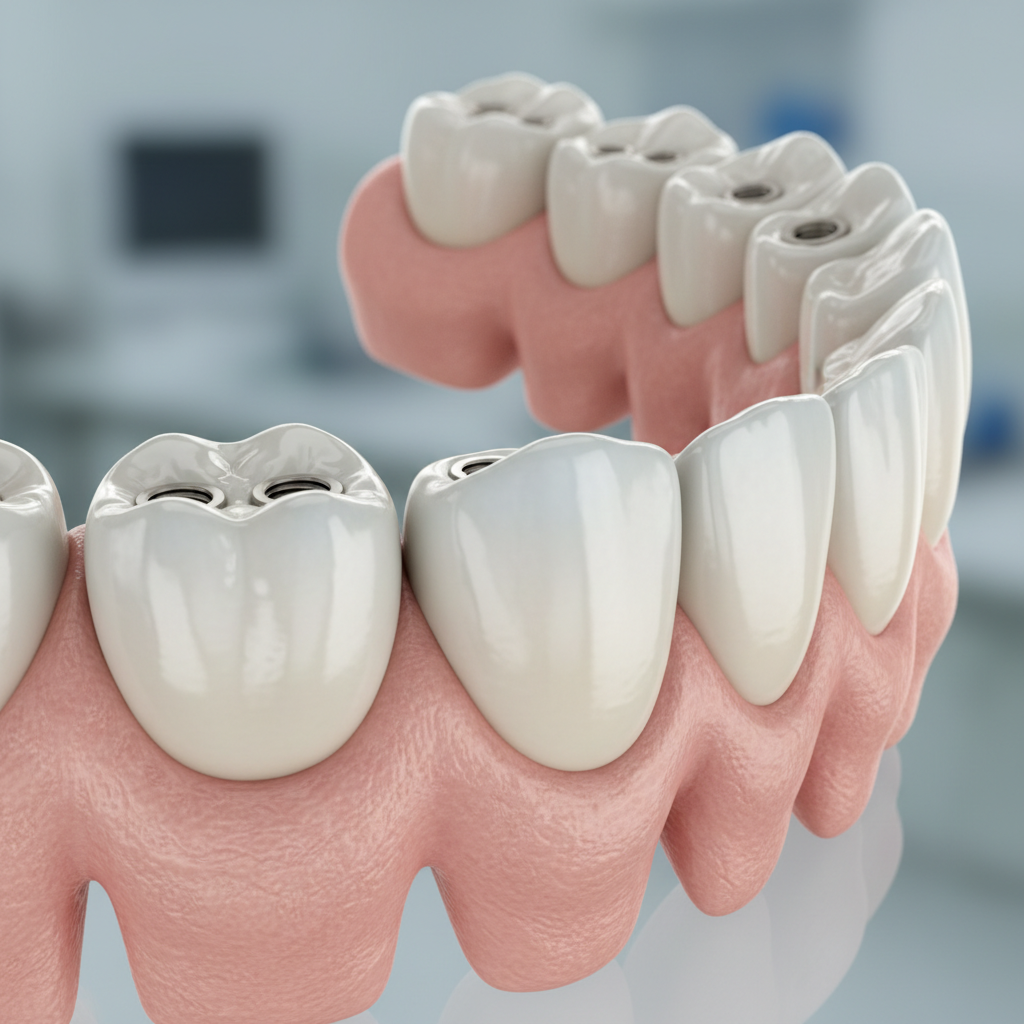
- CAD/CAM Fabrication: The final bridge is designed in software (CAD) and milled from a solid block of material (CAM). Monolithic Zirconia (e.g., Prettau®) is the state-of-the-art material, offering exceptional strength, biocompatibility, and lifelike aesthetics. It is virtually chip-proof and resistant to staining.
- Try-in and Final Delivery: The bridge is tried in for fit, phonetics, and aesthetics before being permanently torqued onto the implant abutments. The occlusion (bite) is meticulously adjusted to ensure balanced forces across the arch.
Risk Mitigation and Complication Management
Implant surgery, like any surgery, carries risks. A high-quality clinical team excels at mitigating them.
Patient Selection and Systemic Health
Not everyone is a candidate. Uncontrolled diabetes impairs healing and increases infection risk. Heavy smoking is a significant risk factor for implant failure, as nicotine constricts blood vessels and impedes osseointegration. A thorough preoperative assessment is crucial.
Peri-implantitis: The Primary Biological Complication
Peri-implantitis is an inflammatory process, akin to gum disease, that affects the tissues around an implant, leading to bone loss and potential implant failure. It is primarily caused by bacterial plaque accumulation. Prevention is key and involves:
- Prosthetic design that allows for easy cleaning.
- Meticulous daily oral hygiene by the patient (e.g., using water flossers, interdental brushes).
- Regular professional maintenance and check-ups.
Iatrogenic and Biomechanical Risks
- Nerve Injury: The inferior alveolar nerve (IAN) in the lower jaw can be damaged during implant placement, leading to numbness of the lip and chin. CBCT planning virtually eliminates this risk by allowing the surgeon to measure the exact distance to the nerve canal.
- Sinus Perforation: In the upper jaw, placing an implant can perforate the Schneiderian membrane of the maxillary sinus. Minor perforations are often manageable, but larger ones may require repair and a delayed approach. Again, 3D planning is the key to prevention.
Choosing a Clinic: AHPRA Standards as a Benchmark
While the Australian Health Practitioner Regulation Agency (AHPRA) does not govern overseas clinics, its principles form an excellent checklist for due diligence.
- Verifiable Clinician Credentials: Who is performing your surgery? Look for a specialist Oral & Maxillofacial Surgeon or a Prosthodontist with verifiable advanced training in implantology. Ask for their qualifications and registration details.
- Infection Control and Sterilisation: The clinic must demonstrate and explain their sterilisation protocols. Ask to see their sterilisation room and their Class B autoclave, which is the hospital-grade standard.
- Material and Technology Traceability: You have the right to know exactly what is being placed in your body. Reputable clinics will provide you with a 'passport' or sticker booklet for your implants, detailing the brand (e.g., Straumann, Nobel Biocare, Medentika), model, size, and lot number. They should also specify the exact brand and type of zirconia used for your final bridge.
- Transparent and Comprehensive Quoting: The quote should be all-inclusive, covering surgery, anaesthesia, temporary and final prosthetics, and all follow-up appointments during your visits. Beware of hidden extras.
Conclusion
For Australians facing the dual burden of significant dental disease and prohibitive domestic costs, receiving complex dental implant treatment in Turkey is a pragmatic and clinically sound option, provided it is approached with meticulous research and an uncompromising demand for high standards. The financial savings are profound, and the level of technology and expertise available in top-tier Turkish clinics is equivalent to, and sometimes exceeds, that found in Australia.
By leveraging the ATO's superannuation release program and using the clinical benchmarks outlined in this guide, patients can navigate this path safely and confidently. The ultimate goal is the long-term restoration of oral health, function, and quality of life, and with the right preparation, this is an achievable outcome.
Related Dental Guides (Topic Cluster)
This clinical guide is strictly informational and reviewed by certified medical specialists at Özel Natural Clinic Tıp Merkezi under Turkish Ministry of Health standards. It does not replace personal clinical diagnosis or treatment planning by a licensed physician.
Uzm. Dt. Mehmet Anıl Tütüncüler
Prosthodontics & Digital Smile Design
Specialist Prosthodontist Uzm. Dt. Mehmet Anıl Tütüncüler is a dental aesthetics leader specializing in digital CAD/CAM rehabilitation, monolithic Prettau® zirconia bridges, and micro-thin porcelain laminate veneers. Graduating with top honors from Ondokuz Mayıs University and completing his postgraduate prosthodontic specialty training at Marmara University in 2021, Dr. Tütüncüler's academic research on aesthetic dental perception and micro-gap margins is published in prominent international journals. At Natural Clinic Tıp Merkezi, he leads the digital restorative prosthetics department.
Scientific References, Medical Journals & Clinical Guidelines
Every surgical, material, and recovery assertion in this guide cites primary peer-reviewed sources:
-
[1]
PubMed Indexed Clinical Implant Dentistry and Related ResearchThe All-on-4 treatment concept: a systematic review https://pubmed.ncbi.nlm.nih.gov/21801209/
-
[2]
PubMed Indexed International Journal of Oral & Maxillofacial ImplantsThe use of cone beam computed tomography in implant dentistry: a review of the literature https://pubmed.ncbi.nlm.nih.gov/24935144/
-
[3]
PubMed Indexed Journal of Personalized MedicinePeri-implant diseases: a review of pathogenic cascades and risk factors for diagnosis and treatment https://pubmed.ncbi.nlm.nih.gov/36015096/
Frequently Asked Clinical Questions
Patient inquiries answered by our dental surgical team
How much can I really save on full mouth dental implants in Turkey?
The savings are substantial. A full-arch 'All-on-4' reconstruction that costs between A$25,000 and A$40,000 in Australia typically costs between A$8,000 and A$15,000 in a reputable Turkish clinic. This price usually includes the surgery, a temporary bridge, and the final monolithic zirconia bridge. For a full mouth (upper and lower arches), the savings can exceed A$40,000.
Is it safe to get dental implants in Turkey?
Yes, provided you choose a clinic that adheres to international standards of care. Safety depends on rigorous due diligence. You must verify the surgeon's specialist qualifications, confirm the use of hospital-grade sterilisation (Class B autoclaves), ensure they use 3D CBCT scans for planning, and receive documentation for premium implant brands (e.g., Straumann, Nobel Biocare).
How do I use my superannuation for dental work in Turkey?
You can apply to the ATO for a Compassionate Early Release of Superannuation. You will need to submit an application via your myGov account, supported by two reports: one from an Australian GP and one from an Australian dental specialist, confirming the treatment is medically necessary. You will also need a detailed quotation from the Turkish clinic. The ATO will assess your application based on these documents.
What is the timeline for a full mouth restoration in Turkey?
The process requires two separate trips. The first trip is for 7-10 days and includes the consultation, CBCT scan, surgery (extractions and implant placement), and the fitting of an immediate temporary prosthesis. You then return home for a 3-6 month healing period (osseointegration). The second trip is for 7-10 days, during which your final, permanent zirconia bridges are fabricated and fitted.
What are the best implant brands to ask for?
Premium, globally recognized brands with extensive long-term clinical research are the gold standard. These include Straumann® (Switzerland), Nobel Biocare® (Switzerland), and Medentika® (Germany, a Straumann Group company). These brands have decades of data supporting their reliability and success rates. Always insist on receiving the implant 'passport' or stickers for your records as proof of authenticity.